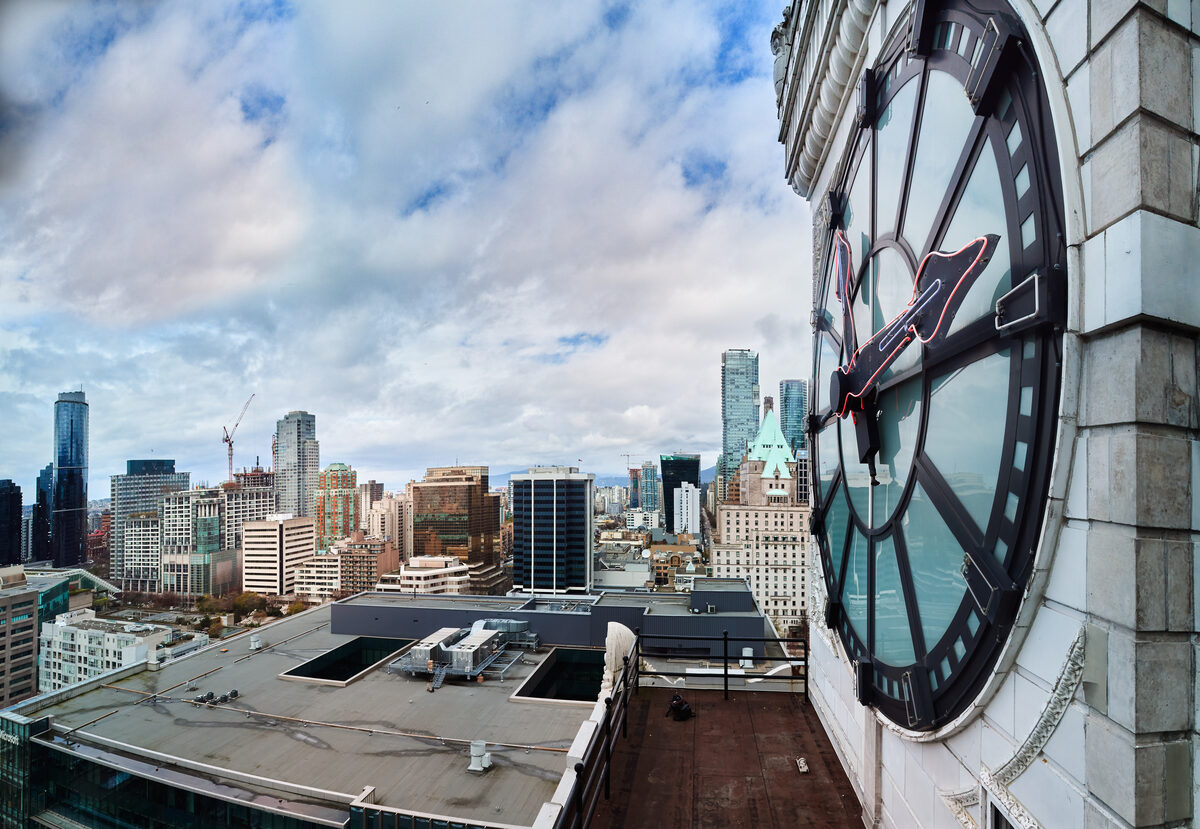
Heritage Status
Why This Building Is Protected
Heritage designation is an act of civic stewardship -- a decision by a community that certain places matter enough to safeguard for the future. Vancouver Block holds some of the most significant heritage recognitions available in Canada.
Understanding
What Heritage Designation Means
A plain-language guide to why buildings are protected and what that protection involves.
Heritage designation is a formal recognition by a government authority that a building, structure, or place has significant historical, architectural, or cultural value. It is not a museum label -- it is a living framework for managing change. Designated buildings continue to be used, maintained, and adapted, but changes to their character-defining elements are subject to review to ensure that the qualities that make them significant are preserved.
In British Columbia, heritage designation can occur at the municipal level (through local government heritage registers and bylaws), at the provincial level, and at the federal level (through the Canadian Register of Historic Places). Vancouver Block holds recognition at both the municipal and national levels, reflecting the breadth of its significance.
For the public, heritage designation means that a building like Vancouver Block will not simply vanish one day, replaced by something that erases the memory and craftsmanship it embodies. It means that the terracotta cornice, the marble lobby, the clock tower's illuminated faces, and the building's place on the Granville Street skyline are matters of shared civic interest -- not just private property decisions.
Designations
Heritage Recognitions
Vancouver Block's formal heritage designations, from municipal protection to national recognition.
Heritage Status
Vancouver Block holds the highest municipal heritage classification and is recognized at the national level as a place of historic significance.
Historic Structure Designation
City of Vancouver
Designated under the Vancouver Charter as a historic structure, formally recognizing its significance to the city's built heritage.
Class A Heritage Status
City of Vancouver Heritage Register
Classified as Class A on the Vancouver Heritage Register — the highest designation — affirming the building's exceptional architectural and historical value.
Canadian Register of Historic Places
Parks Canada / Federal-Provincial-Territorial
Listed on the Canadian Register of Historic Places, placing Vancouver Block among the country's formally recognized heritage structures.
Protected Features
- Municipally designated historic structure
- Vancouver Heritage Register: Class A
- Canadian Register of Historic Places listed
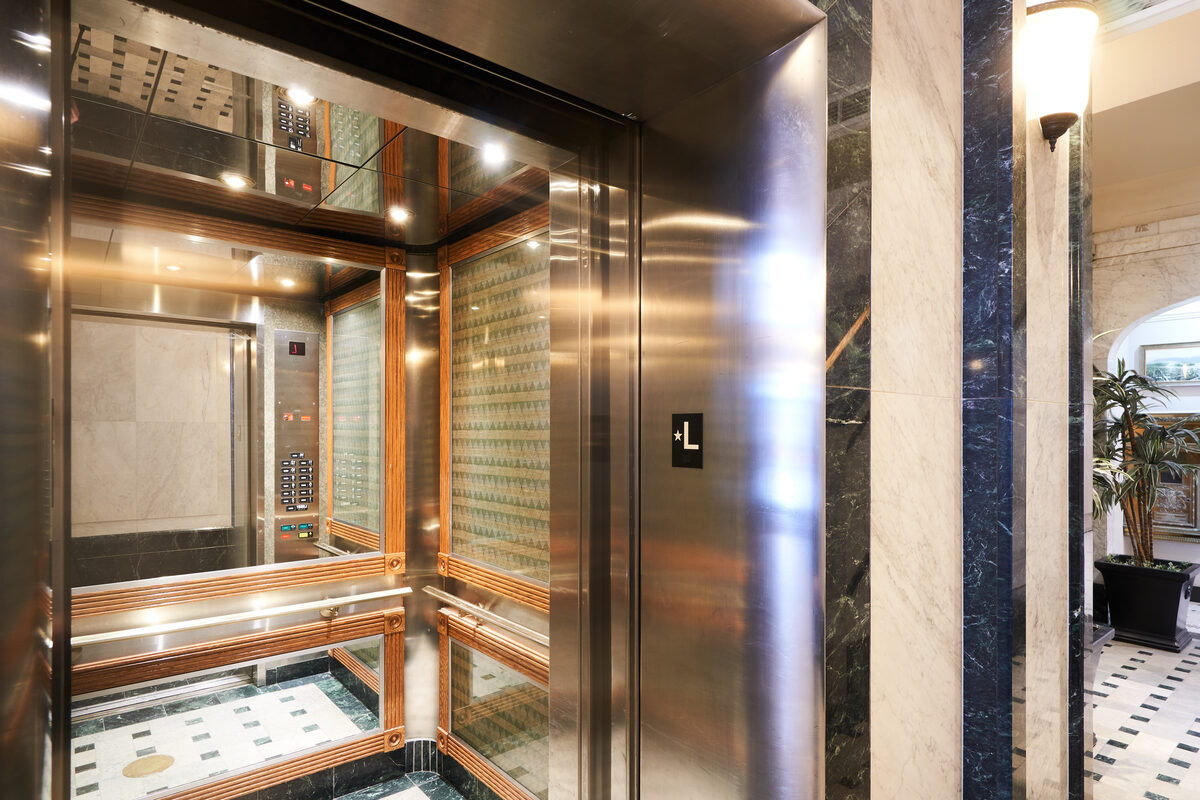
- Restored lobby with original marble, terrazzo, and oak
- Maintained clock tower with four illuminated faces
- Ongoing conservation stewardship
Stewardship
Heritage designation does not freeze a building in time. It provides a framework for thoughtful stewardship — ensuring that the building's character-defining elements are preserved while allowing it to remain a functional, productive part of the city.
Vancouver Block is managed by Equitable Real Estate Investment Corp., which oversees its ongoing commercial operations and conservation care.
Milestones
Heritage Timeline
Key moments in the formal recognition of Vancouver Block's heritage value.
Timeline
Key moments in the history of Vancouver Block and the city that built it.
Commercial Club Era
The building's upper floors host the Commercial Club and other business tenants, making it a hub of Vancouver's downtown professional life.
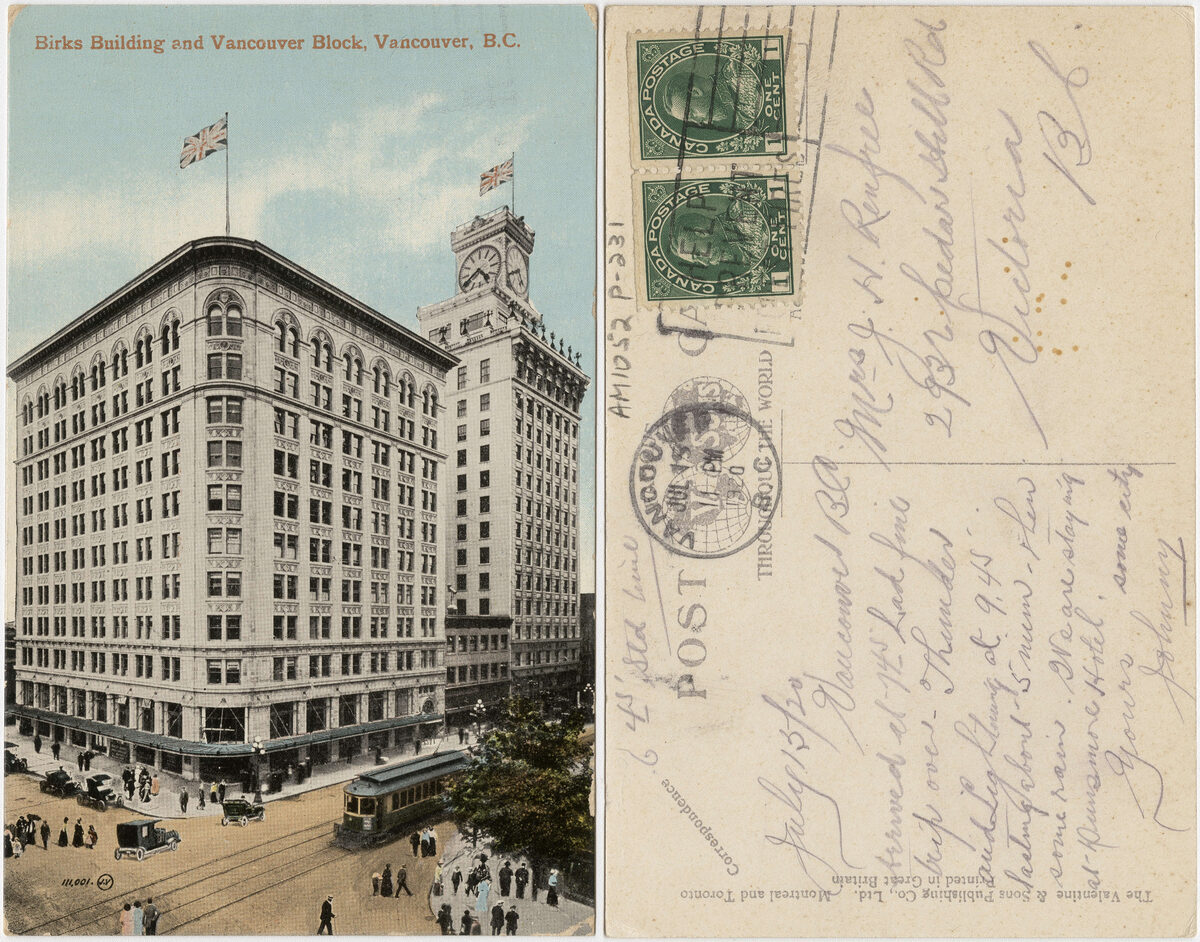
City of Vancouver Archives
Wartime and Post-War Activity
Vancouver Block continues to serve as commercial office space through wartime and post-war economic shifts.
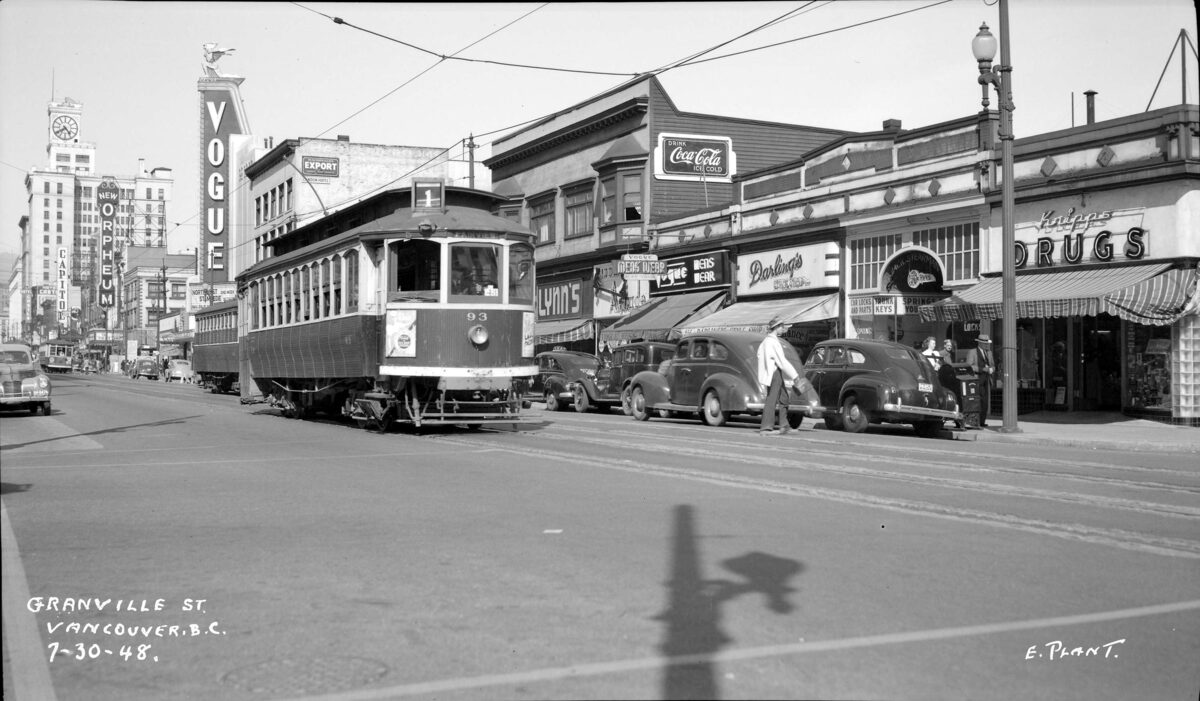
City of Vancouver Archives
Historic Structure Designation
Vancouver Block is designated a historic structure under the Vancouver Charter, recognizing its significance to the city's built heritage.
Class A Heritage Status
The City of Vancouver grants Vancouver Block Class A heritage status, its highest classification, affirming the building's architectural and historical importance.
Canadian Register Listing
Vancouver Block is listed on the Canadian Register of Historic Places, placing it among the country's formally recognized heritage structures.
Interior Heritage
Why Interiors Matter
Heritage is not just about facades. The spaces inside a building carry their own history.
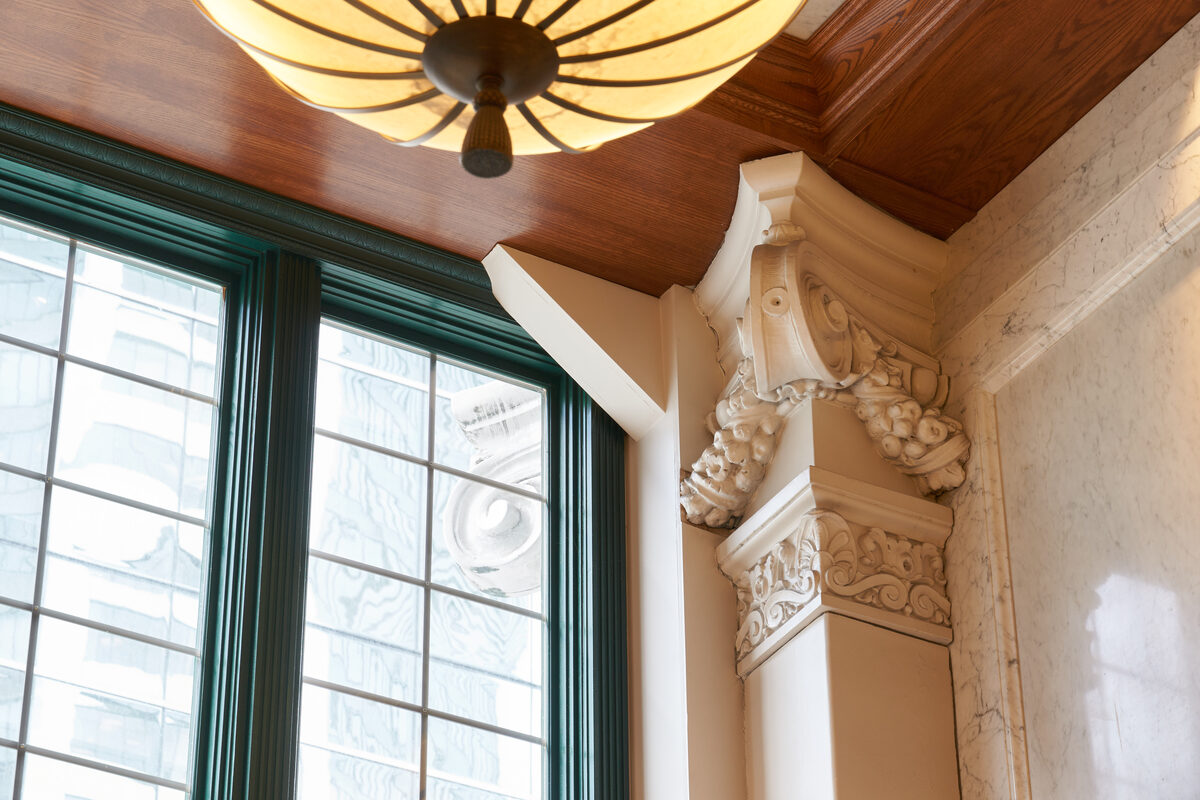
When people think of heritage buildings, they often picture the exterior -- the facade, the roofline, the ornamental details visible from the street. But the interiors of heritage buildings are equally significant. The lobby of Vancouver Block, with its marble wall panels, terrazzo floors, and oak-panelled elevator surrounds, is a surviving example of the kind of craftsmanship and material quality that characterized the best commercial interiors of the Edwardian period.
Interior features like these are character-defining elements -- they contribute to the heritage value of the building as a whole. Terrazzo flooring, for example, is not simply decorative: it represents a specific construction technique, a tradition of skilled labour, and a material choice that reflects the values and economics of its era. Marble, oak, and brass fixtures carry similar layers of meaning. Together, they create a public room that connects present-day visitors to the ambitions and standards of early twentieth-century Vancouver.
Conserving these interior features requires specialized knowledge and careful planning. Cleaning methods, repair techniques, and replacement materials must be chosen to preserve the integrity of the original design. The goal is not to freeze the interior in time, but to maintain its legibility -- to ensure that future visitors can still read the building's history in its materials and spaces.
Adaptive Reuse
Keeping Buildings Alive
The most effective conservation strategy is productive use.
Heritage conservation does not require that a building remain frozen in its original use. Adaptive reuse -- the process of repurposing an existing building for new functions while retaining its heritage features -- is widely recognized as one of the most effective strategies for ensuring the long-term survival of historic structures. A building that is occupied, maintained, and economically viable is far more likely to endure than one that sits empty.
Vancouver Block has remained in continuous commercial use since its opening in 1912. Its office floors continue to house professional tenants, and its ground-level spaces engage the street. This continuity of use has been a key factor in the building's survival. Unlike many of its contemporaries, which were demolished during periods of rapid redevelopment, Vancouver Block has remained a productive part of the city's commercial fabric -- generating the revenue needed to fund ongoing maintenance and conservation.
The principle at work is straightforward: buildings that earn their keep tend to survive. Heritage designation provides the regulatory framework; adaptive reuse provides the economic engine. Together, they make conservation sustainable.
Sustainability
Heritage and Sustainable Cities
Preserving old buildings is one of the most sustainable things a city can do.
Every existing building represents an enormous investment of energy and materials -- what engineers call embodied energy. The steel, terracotta, marble, concrete, and timber in Vancouver Block were extracted, manufactured, transported, and assembled more than a century ago. Demolishing the building would waste all of that embodied energy and generate significant construction waste. Replacing it with a new structure would require an equivalent or greater expenditure of energy and resources.
Heritage conservation, in this light, is a form of environmental stewardship. By maintaining and adapting existing buildings rather than demolishing and replacing them, cities can reduce their carbon footprint, conserve natural resources, and avoid the environmental costs of new construction. The greenest building, as the saying goes, is often the one that already exists.
Heritage buildings also contribute to the social sustainability of cities. They provide visual diversity, historical continuity, and human-scaled streetscapes that encourage walking, community interaction, and a sense of place. A city composed entirely of new construction risks becoming generic -- a place without memory or character. Heritage buildings anchor the urban environment in the specificity of particular times, places, and communities.
Vancouver Block, standing among the glass towers of the modern downtown, is a reminder that sustainability is not only about new technologies and future-facing design. It is also about valuing what already exists -- the materials already in place, the energy already expended, the craftsmanship already achieved -- and finding ways to carry it forward.
Questions
Heritage FAQ
Common questions about heritage designation, conservation, and Vancouver Block.
Frequently Asked Questions
Answers to common questions about heritage buildings, conservation, and Vancouver Block's protected status.
"Heritage is not just about preserving old buildings. It is about preserving civic memory, skilled materials, urban continuity, and public identity."
Context
Why Vancouver Block's Heritage Status Matters
Vancouver Block's heritage status -- Class A on the Vancouver Heritage Register and listed on the Canadian Register of Historic Places -- places it among the most formally recognized heritage structures in British Columbia. This recognition reflects the building's exceptional architectural quality, its historical significance as a product of Vancouver's pre-war construction boom, and its enduring role as a public landmark in the downtown core.
Heritage designation ensures that changes to the building's character-defining elements are reviewed within a framework that balances the needs of conservation with the realities of ongoing commercial use. It provides a mechanism for protecting the terracotta facade, the marble lobby, the clock tower, and the building's contribution to the Granville Street streetscape -- features that belong not only to the building's owner but, in a civic sense, to the broader community.
Understanding heritage status is part of understanding what kind of city Vancouver wants to be. The decision to protect buildings like Vancouver Block is a statement about values: that history, craftsmanship, and public memory matter, and that the best cities are those that find ways to carry their past forward into the future.